Dispatch 07: The Mirage of Belonging and the End of Intentional Luxury
Friday May 15th - 4min read
Jose Martinez
Editor-in-Chief
At what point did we accept that success means filling out an application form, just to beg a brand to let us spend 35,000 CHF on a watch? We no longer buy luxury to become part of a legacy or a tradition. We buy it to prove to strangers that we are not part of the crowd. Yet, in our rush to stand out, we have become the most identical, uninspired generation of consumers in history. As we watch collaborations like the Audemars Piguet x Swatch release dropping this week, we have to face an uncomfortable truth:
the industry is no longer democratizing luxury. It is democratizing frustration.
To understand how we got here, we need to look back at how things used to be. Our grandparents lived with lighter minds. They were not constantly bombarded by the political crises of countries thousands of miles away, nor were they overwhelmed by the relentless noise of social media. This lack of digital noise gave them the space to live with intention.
In that era, luxury meant something entirely different. It was an intimate choice. If someone bought a Chanel bag, they didn’t just buy a logo; they bought into a specific style, a history, and a level of craftsmanship that aligned perfectly with who they were. You would never see that same person suddenly wearing a completely different, flashy American brand just because it was trendy.
There was an emotional connection. You knew the history of the house, you respected the artisan, and the object became a part of your identity.
But then, the world sped up. Globalization and social media brought us incredible connectivity, but they also brought a constant, heavy anxiety. To escape this pressure, we stopped living with intention and became followers. We started consuming rapidly, searching for quick hits of happiness to fill the void.
The corporate world noticed this shift, and the greed set in. Brands that were originally created to be small, exclusive ateliers—houses like Hermès, Chanel, or Audemars Piguet—were never meant to be massive global superpowers. But conglomerates pushed for endless growth. We are now seeing the consequences of this insatiable expansion, with massive readjustments happening in giants like LVMH.
In their rush to grow, these brands abandoned the very thing that made them special.
Today, the emotional differentiation between a Louis Vuitton bag and an Audemars Piguet watch is almost zero for the average buyer. People do not know who founded LV, nor do they care about the intricate mechanics of an AP. They buy these items simply because they can. The transaction is no longer about connecting with a piece of art; it is about showing off. It is about pretending to be someone specific just by holding a specific item.
Because of this, brands have stopped caring about true customer loyalty. Why should they invest in building a lasting relationship with you, when there is an endless line of new customers waiting at the door, ready to spend money for a quick rush of dopamine?
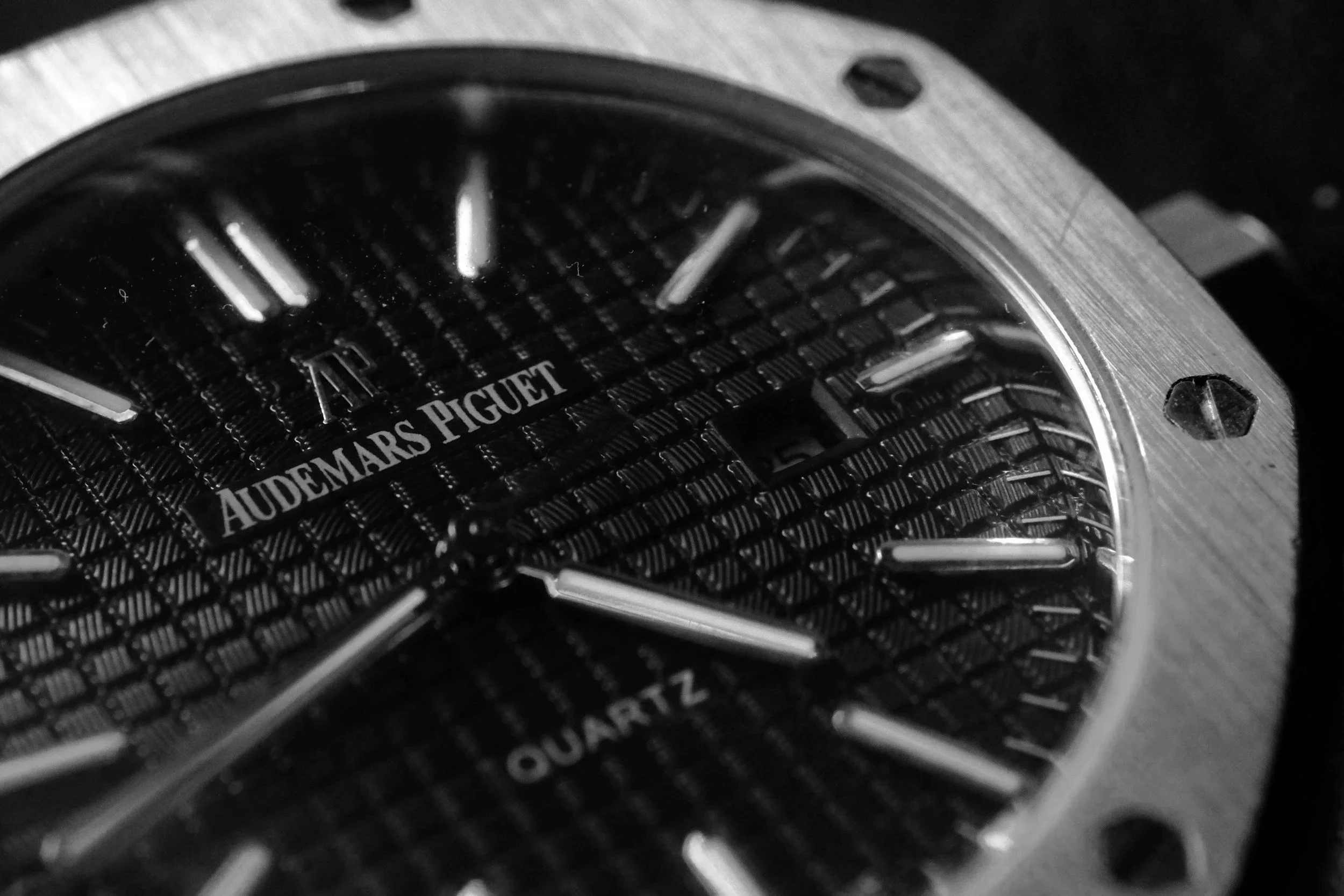
This brings us to the Audemars Piguet x Swatch collaboration releasing this week. To the untrained eye, this looks like a gift to the public—giving regular people the chance to wear a legendary watch design. But let's be honest about what is really happening. When a brand takes an incredibly exclusive, unattainable design and reproduces it in plastic for the masses, they are not selling belonging. They are selling the acute awareness of what you do not have. They are selling a replica of the lifestyle that is kept behind closed doors. It works brilliantly for their profits, but it leaves the consumer empty, holding a temporary fix rather than a timeless piece of value.
***
We are living in an unsustainable bubble. The middle class is working exhaustingly long hours, trading our most precious and finite resource—our time—just to fund the explosive profits of luxury conglomerates. We buy their products hoping to feel a sense of belonging, but we end up feeling more disconnected than ever. When the next economic crisis hits, or when the hype finally dies down, these "loyal" customers will vanish instantly, because their loyalty was never real to begin with.
It is time to step off this carousel. Exiting this cycle requires a radical return to intentionality. It is about slowing down and looking closely at the objects we invite into our lives.
Much like the patience required to load a roll of 400 ISO film into a fully manual camera—metering the light, framing the shot, and waiting weeks to see the result—true luxury is unhurried. It is the discipline of ignoring the noise. It is choosing to invest only in the things that deeply resonate with our true selves, things that bring us quiet, lasting joy, rather than the loud, fleeting approval of strangers.
