Dispatch 02: The Clay Carrots of Okinawa
Redefining ambition, the mastery of time, and the art of knowing when to stop.
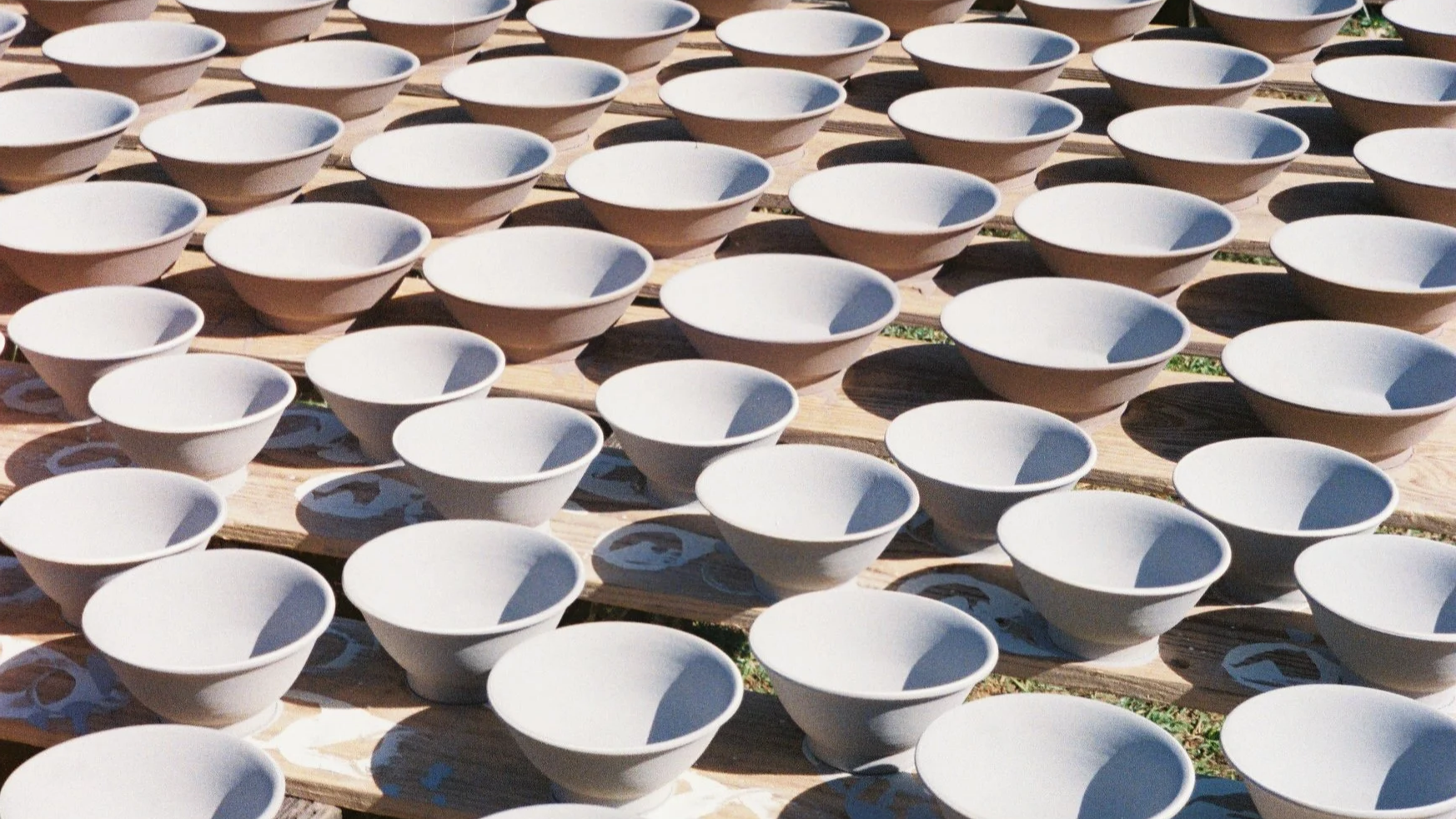
Yachimun no Sato - January 2026
The Illusion of Upward Mobility
Modern society has a very rigid, almost archaic definition of success. We are conditioned to believe that upward mobility must inherently mean moving away from manual labor and stepping into climate-controlled, glass towers. True worldly sophistication, we are told, looks like speaking fluent English, traveling the globe, and securing a corporate title that demands constant accessibility. We have completely disconnected the concept of ambition from the physical world.
This illusion was quietly dismantled for me on a crisp, beautifully sunny January day in Okinawa, Japan.
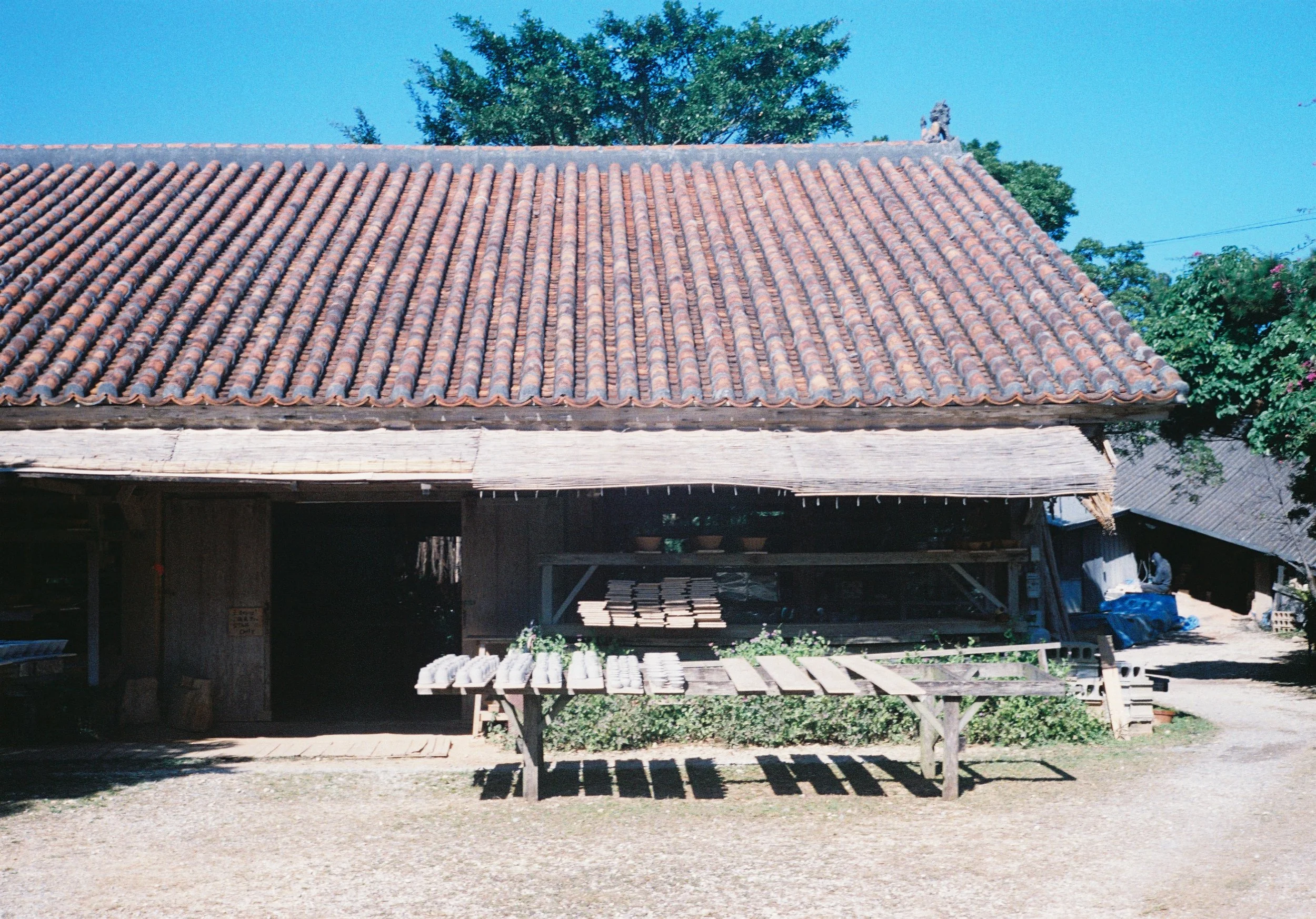
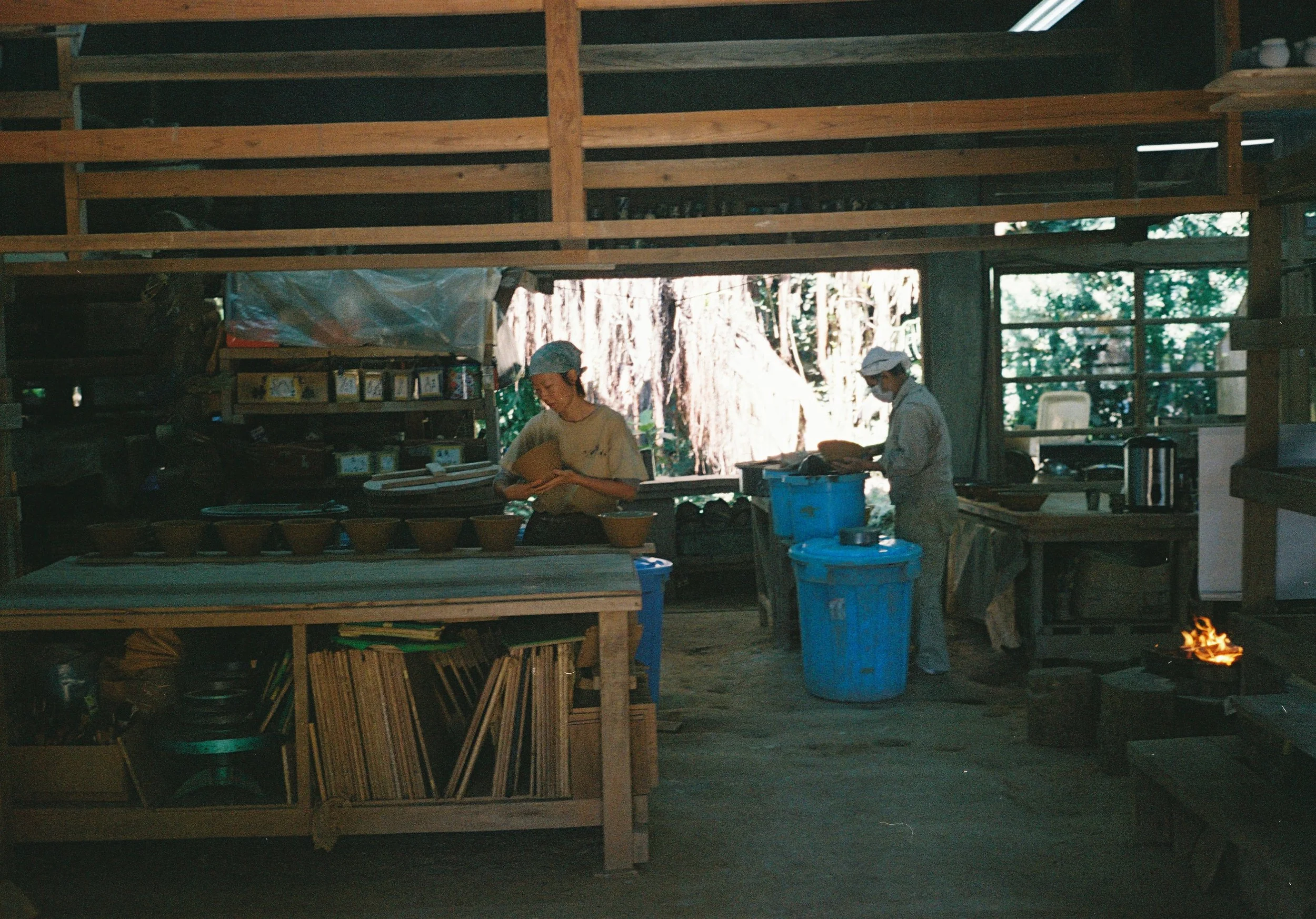
Armed with a manual film camera, I was walking through Yachimun no Sato, a secluded pottery village that feels entirely detached from the frantic pace of the 21st century. Here, the rhythm of life is dictated not by algorithms or calendars, but by clay and fire.
Artisans move with meditative precision, carrying heavy wooden boards loaded with freshly shaped pieces out into the bright winter sun. There is no rushing, no shouting, no artificial urgency. Just the quiet, methodical breathing of a craft that refuses to be hurried.
The Architecture of Fire
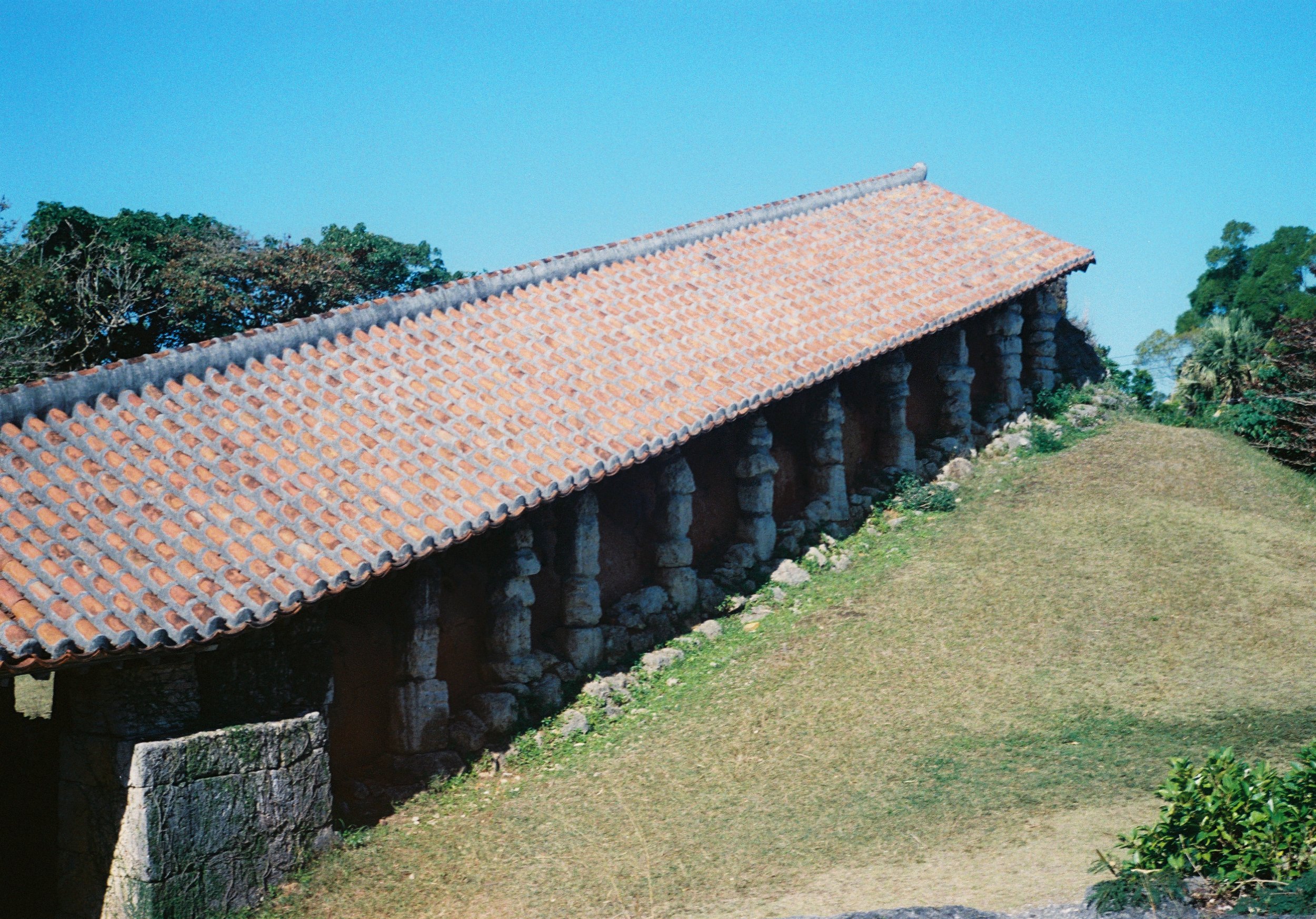
To understand the soul of this place, you must look at its architecture. At the heart of the village lie the Noborigama—traditional climbing kilns. These are not mere ovens; they are architectural beasts built on an incline, resembling a massive, red-brick staircase disappearing into the hill.
Firing a Noborigama is a monumental, communal effort. It requires days and nights of sleepless tending, constantly feeding the fire with wood to maintain exact temperatures. The flame is unpredictable, kissing the ceramics and leaving unique, unrepeatable ashes and colors on the glaze. It is the absolute antithesis of mass production. It requires complete surrender to the elements.
The Worldly Artisan
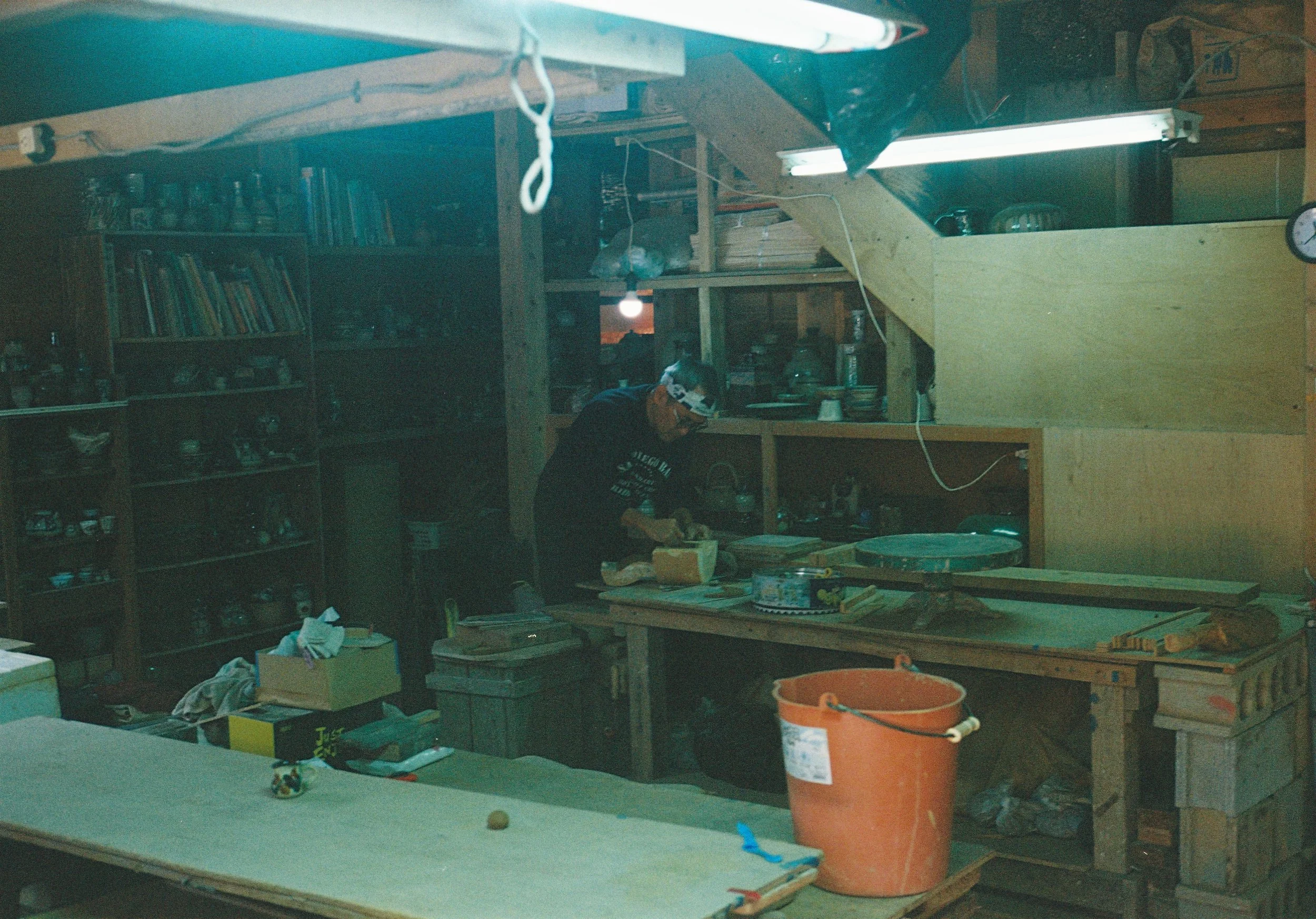
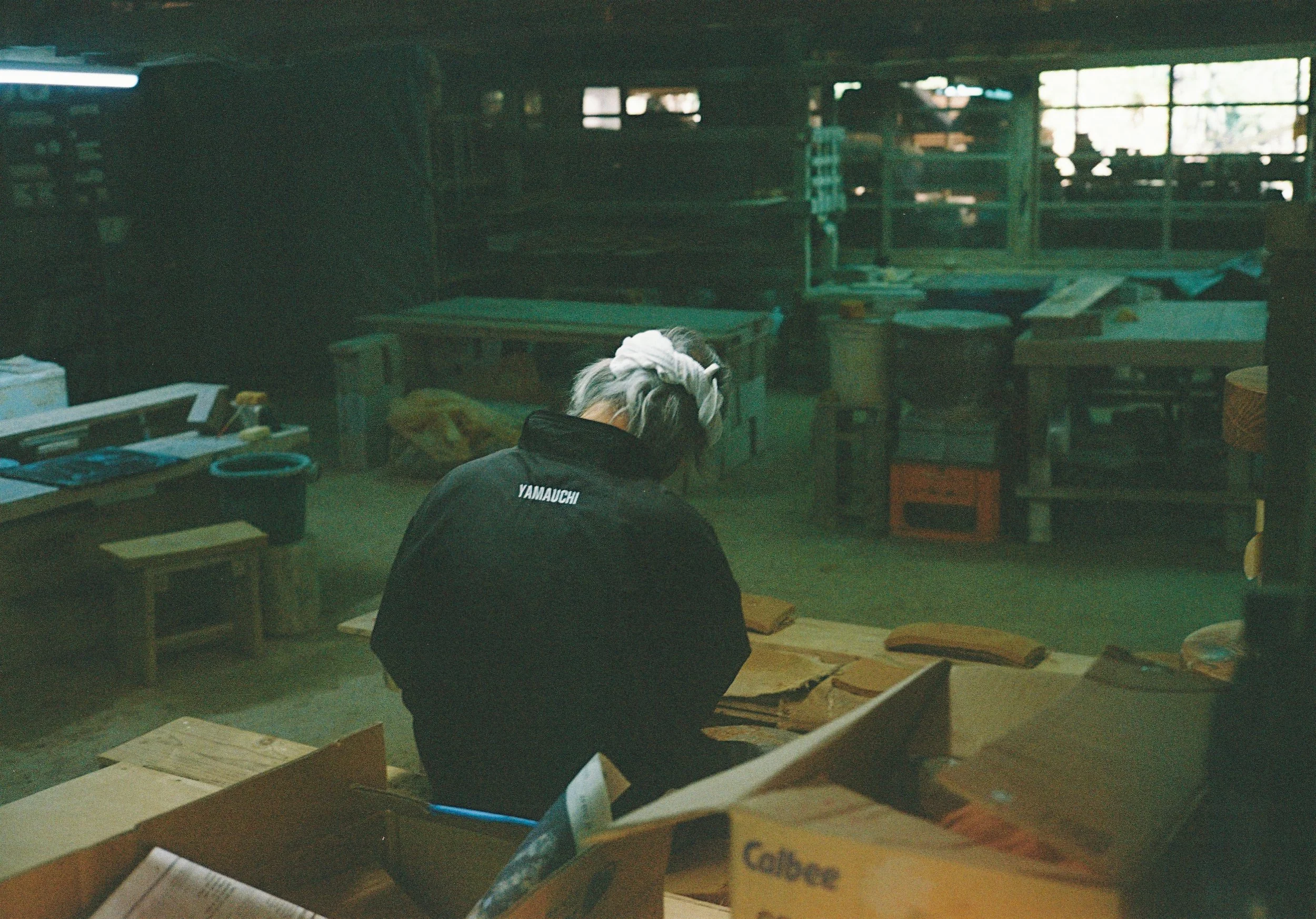
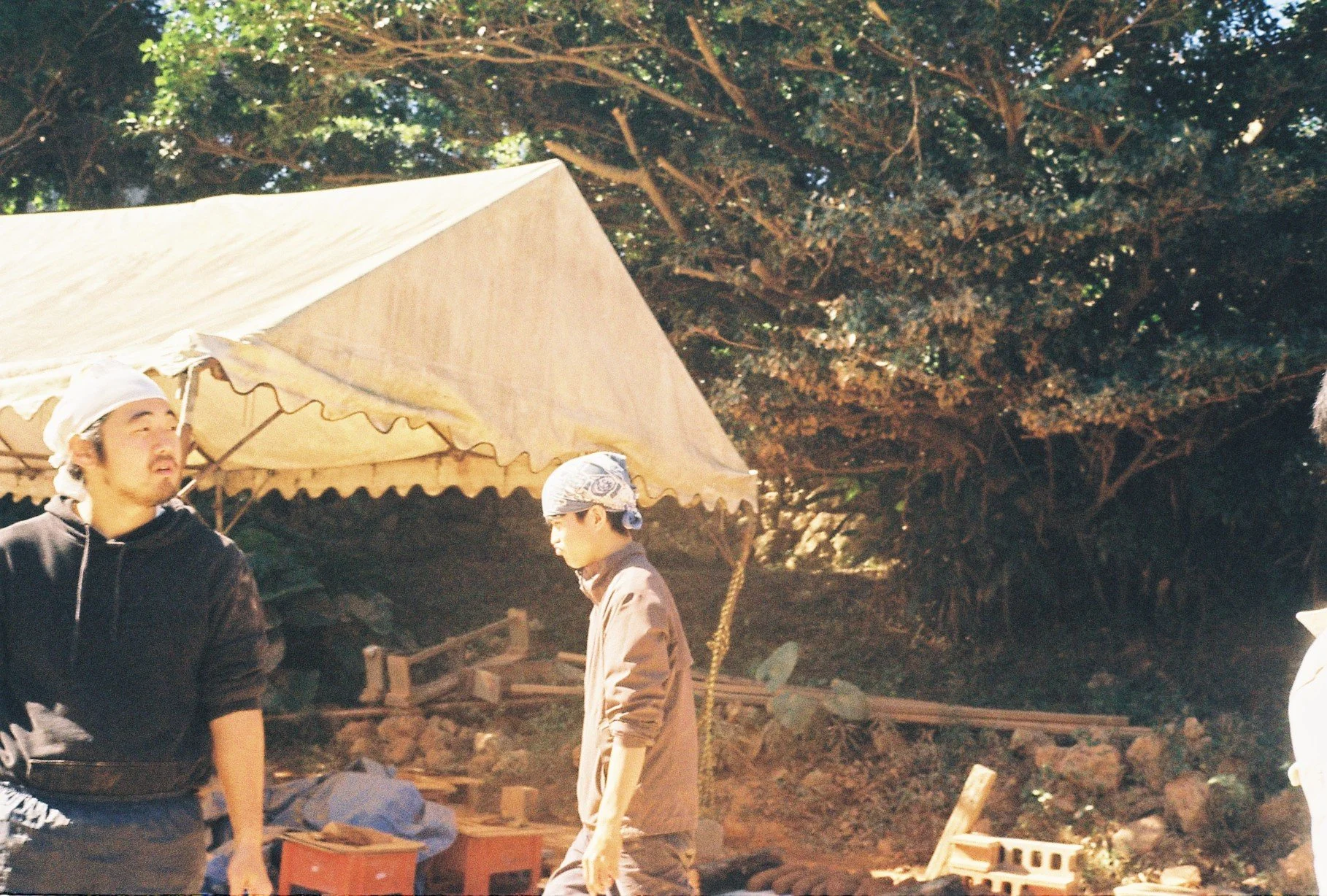
As I wandered among these sleeping giants, I noticed a cloth tent shielding a group of young people from the partial sun. They were gathered around a mountain of raw clay, their hands covered in earth. The energy wasn't heavy or exhausted; they were vibrant, focused, and visibly happy.
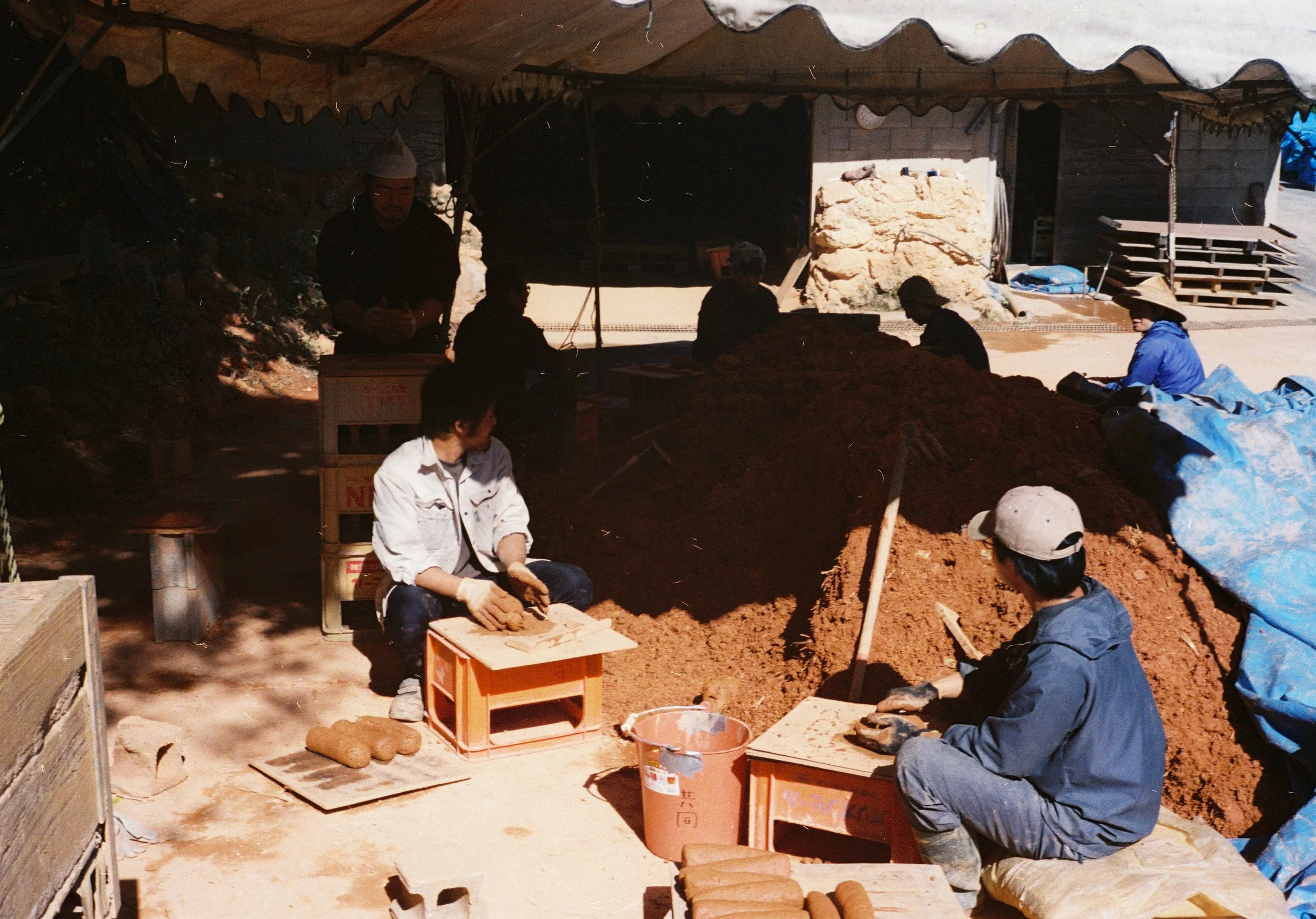
One of them caught my eye and, with a welcoming, genuine smile, waved me over.
As we spoke, I was entirely caught off guard. He spoke impeccable English. He told me he had traveled extensively across Europe, spent significant time living in Barcelona, and had even explored America. He possessed the worldly, cultivated demeanor that society usually reserves for international consultants, strategists, or high-rise executives. Yet, here he was, profoundly proud of the mud on his hands.
He wasn't chasing a corporate title or a corner office; he was serving the fire. He explained that they were making "clay carrots"—handmade, conical pillars necessary to rebuild the roofs of the last two chambers of the great kiln.
The kiln itself was over a century old, and these specific chambers had been enduring extreme heat for more than 30 years. It was time to renew them so the next generation could continue the legacy.
In a world that tells us success means escaping manual labor, this young man, who had the entire world at his fingertips, consciously chose to return to the earth. His ambition wasn't measured in quarterly profits, digital metrics, or rapid promotions. His ambition was generational. He was dedicating his youth to rebuilding a kiln that would outlast him, firing cups and plates that would sit on tables around the world, like mine, long after he was gone.
The Sacred Boundary
I stayed with them, taking analog photographs, absorbing the profound pride they held for their work. And then, the clock struck 12:00 PM.
In the corporate world, midday is often just another hour to push through. It is the time when we grab a quick, plastic-wrapped sandwich and eat it hunched over our keyboards, answering emails and romanticizing our own exhaustion.
We confuse being constantly busy with being important.
But under that cloth tent in Okinawa, the boundary was sacred. The group smiled, carefully left their clay carrots resting in the sun, washed their hands, and simply walked away to eat together. The work would wait. The clay wouldn't rush, and neither would they.
"True worldly sophistication isn't about running the fastest race.
It is having the freedom to choose your craft, master your pace, and possess the clarity to know exactly when it’s time to stop and rest."
Yachimun no Sato - January 2026
