Dispatch 03: Audience of One
What happens when we stop performing for the world and start curating for ourselves?
- Elisabet Lopez -
Founding Contributor at The Aperture Collective
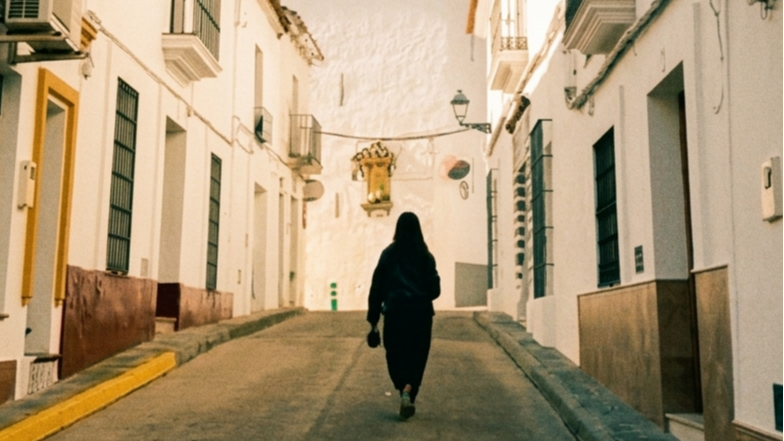
If tomorrow the camera on your phone disappeared, if we stopped showing strangers what we experience, would you still choose the same life?
Many of the decisions we make today don't stem from the "self"; they stem from the possibility of being seen. We choose restaurants, trips, jobs, and people not just for how they make us feel, but for how they will look from the outside. We have turned life into a constant theater, where enjoyment no longer resides entirely in the experience of being, but in the delayed validation from people we don't even know. We have lost something essential: presence, that invisible pleasure.
“ In a world obsessed with more, with accumulating, with upsizing... smallness forces you to respect the moment.”
In Encinasola, a small village where time competes with no one, my grandmother Mari has spent her entire life practicing what I consider a "ritual of presence." A luxury of the kind that no longer remains. And, of course, the kind that isn't shown off.
To start somewhere, my grandmother's life has been anything but selfish. It has been a life of absolute devotion. The kind you don't explain, you just live. The kind I can't possibly fit into these lines. Every gesture, every step in that house, every plate served, every bed made, had the same purpose: to make sure we were all okay. Her house never had a door, or at least that’s how I like to think of it.
But at five o'clock in the afternoon, every single day, everything stops. It doesn't matter what is happening outside or what chores are left undone. It is an invisible agreement that no one ever wrote down, but is always kept: Now, this moment is mine. An audience of one, in its maximum splendor, I would call it.
Every week she would bake her magdalenas, where the ingredients weren't just products; they were choices. The eggs from my uncle Toribio, the good oil, the usual flour. Nothing improvised, nothing rushed, nothing meaningless. It always struck me that the magdalenas were never large. She made them small, exact, almost identical to one another. Just enough to cover a week of 5 PM coffees.
In a world obsessed with more, with accumulating, with upsizing, that gesture holds a quiet intelligence. Smallness forces you to respect the moment. To not consume it all at once. To save something for tomorrow. Because those magdalenas were not meant to be shared. They were for her. For that space where she didn't have to be anything for anyone. Just be.
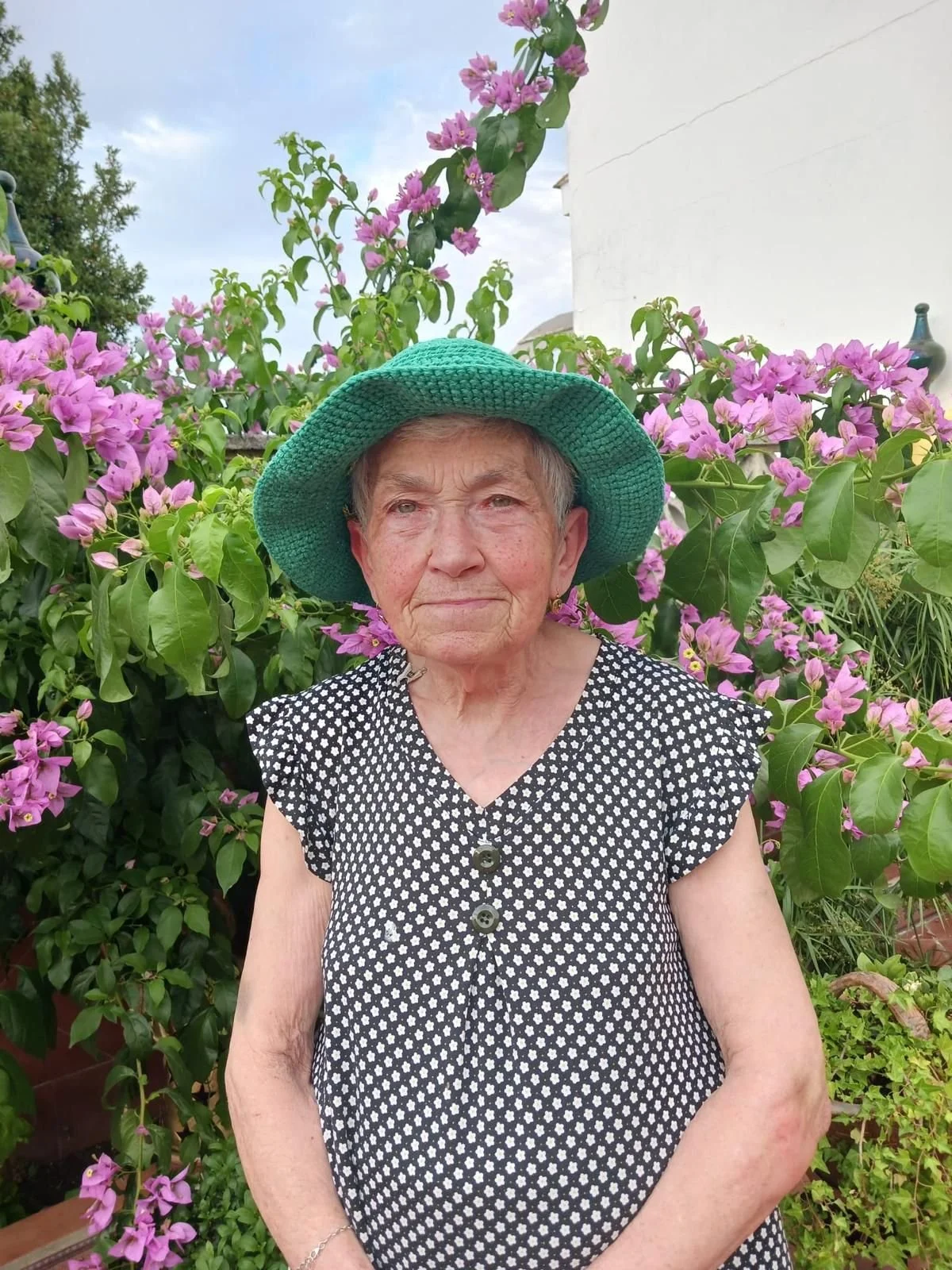
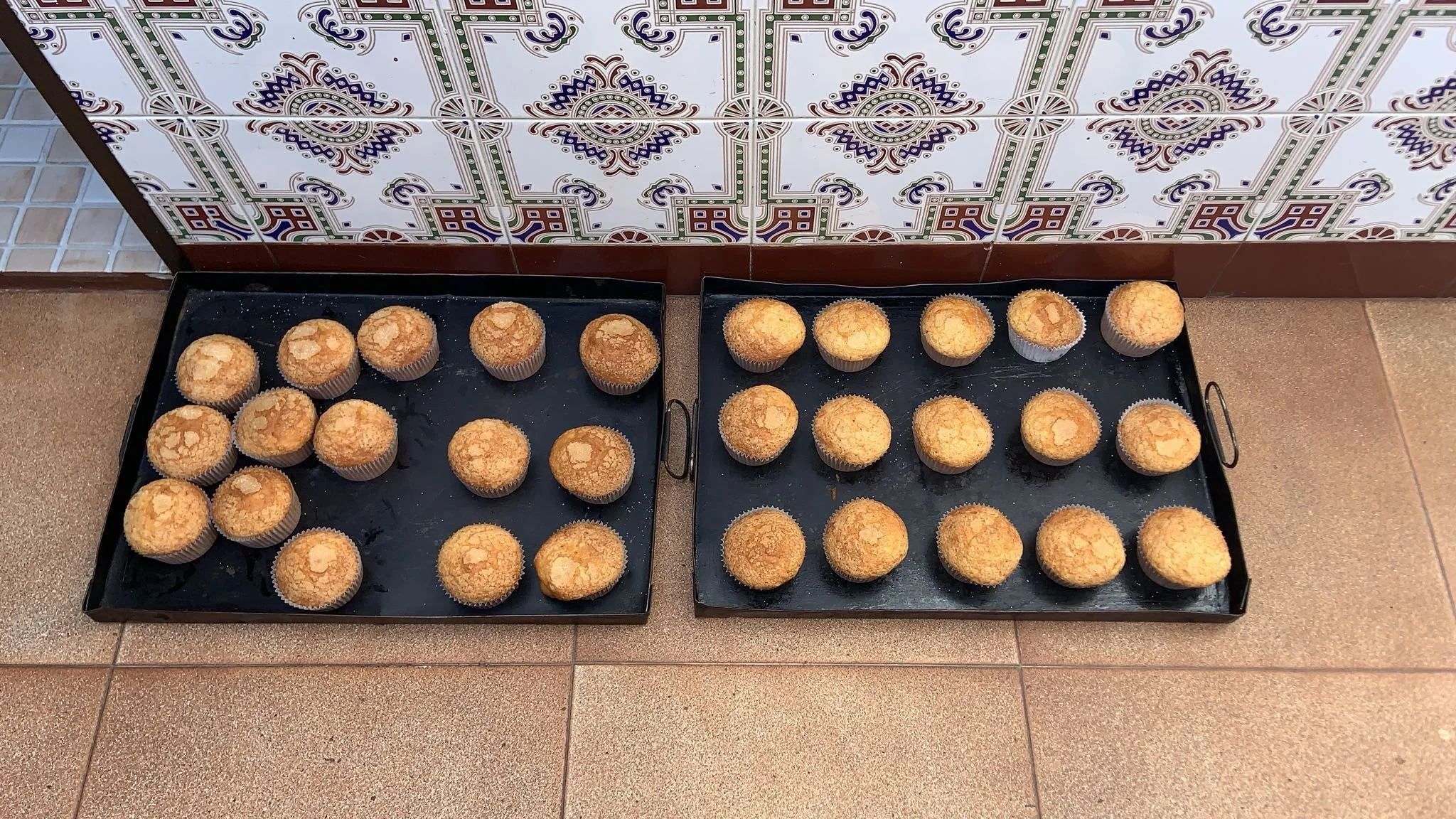
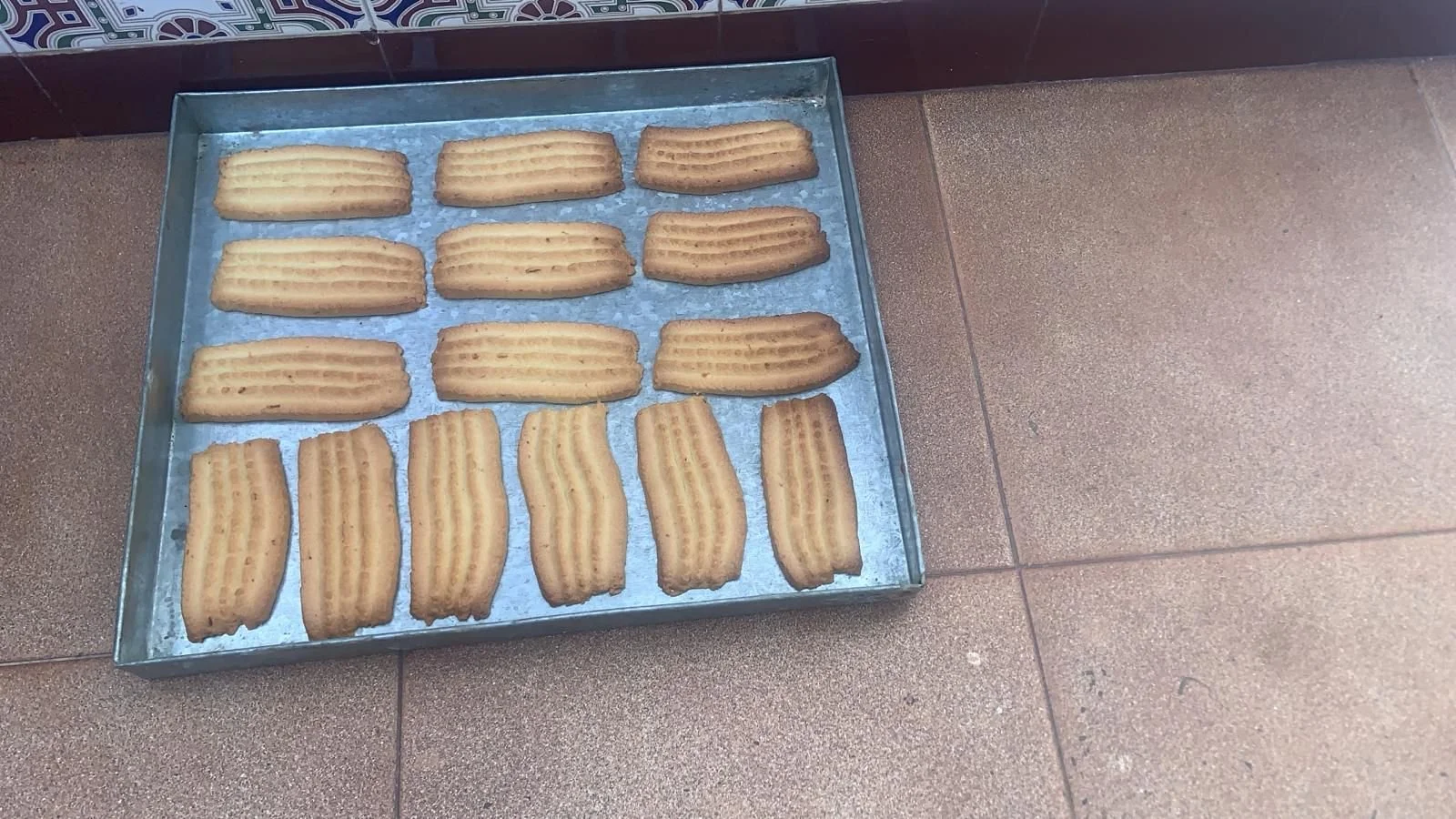
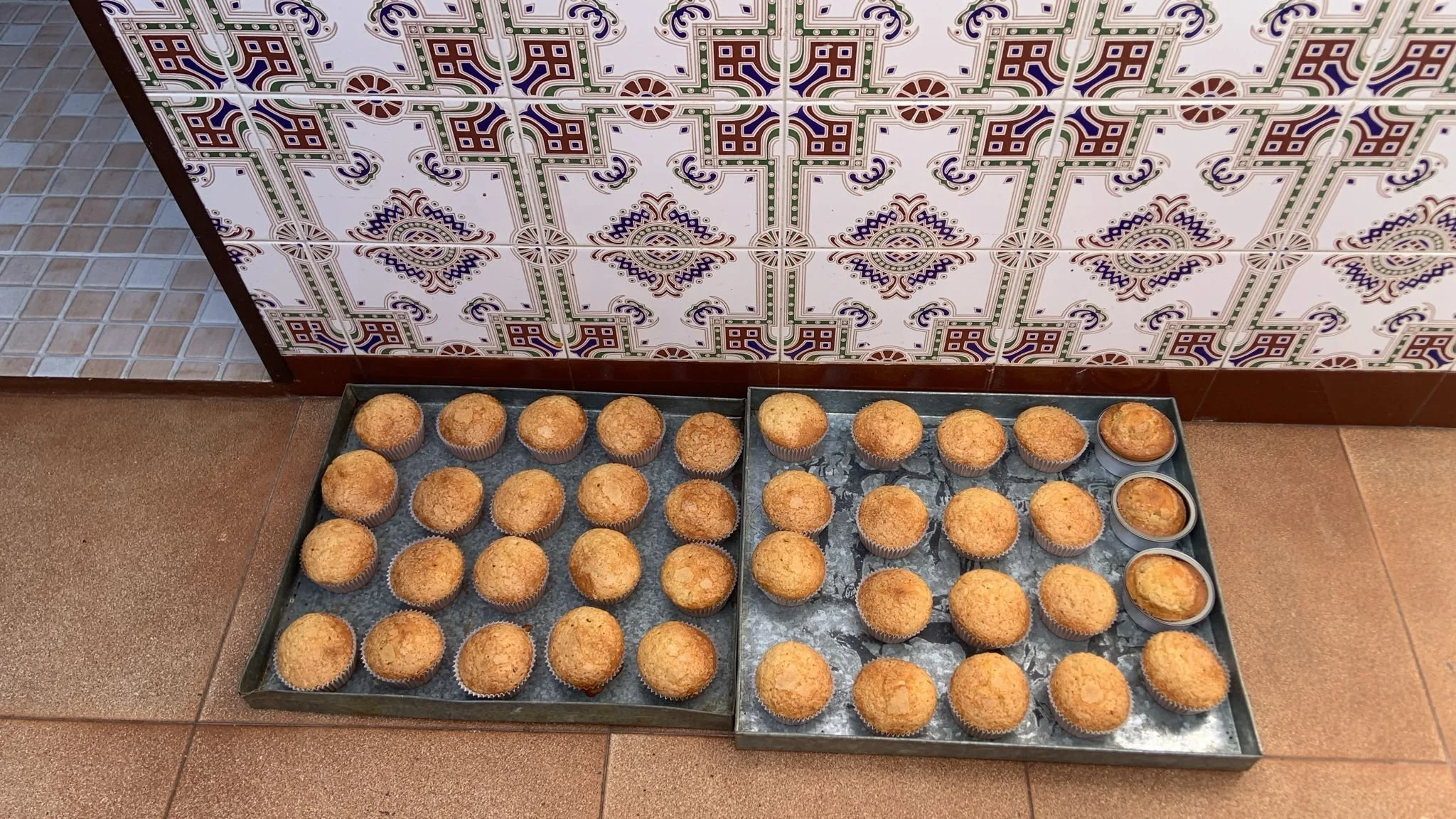
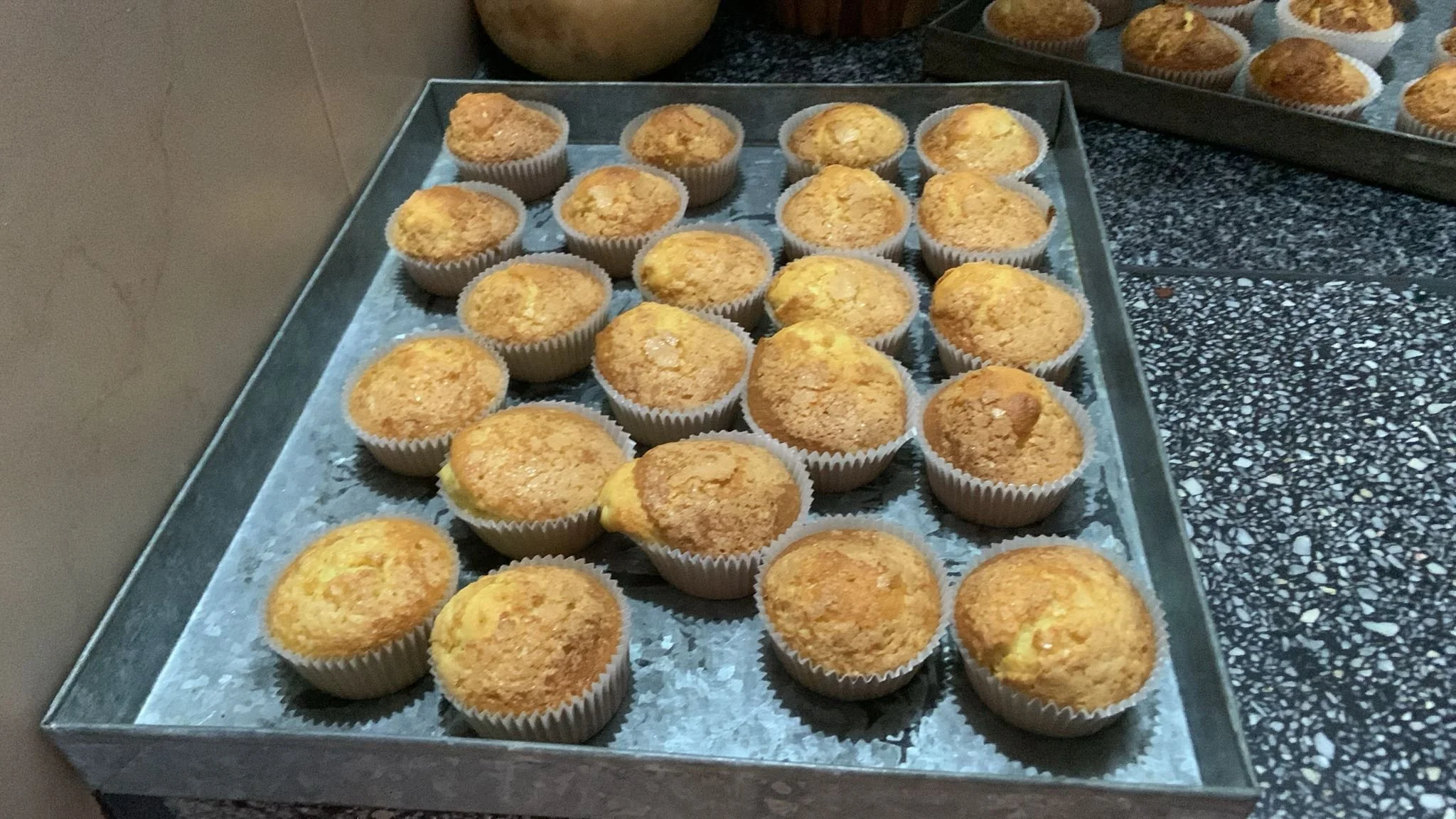
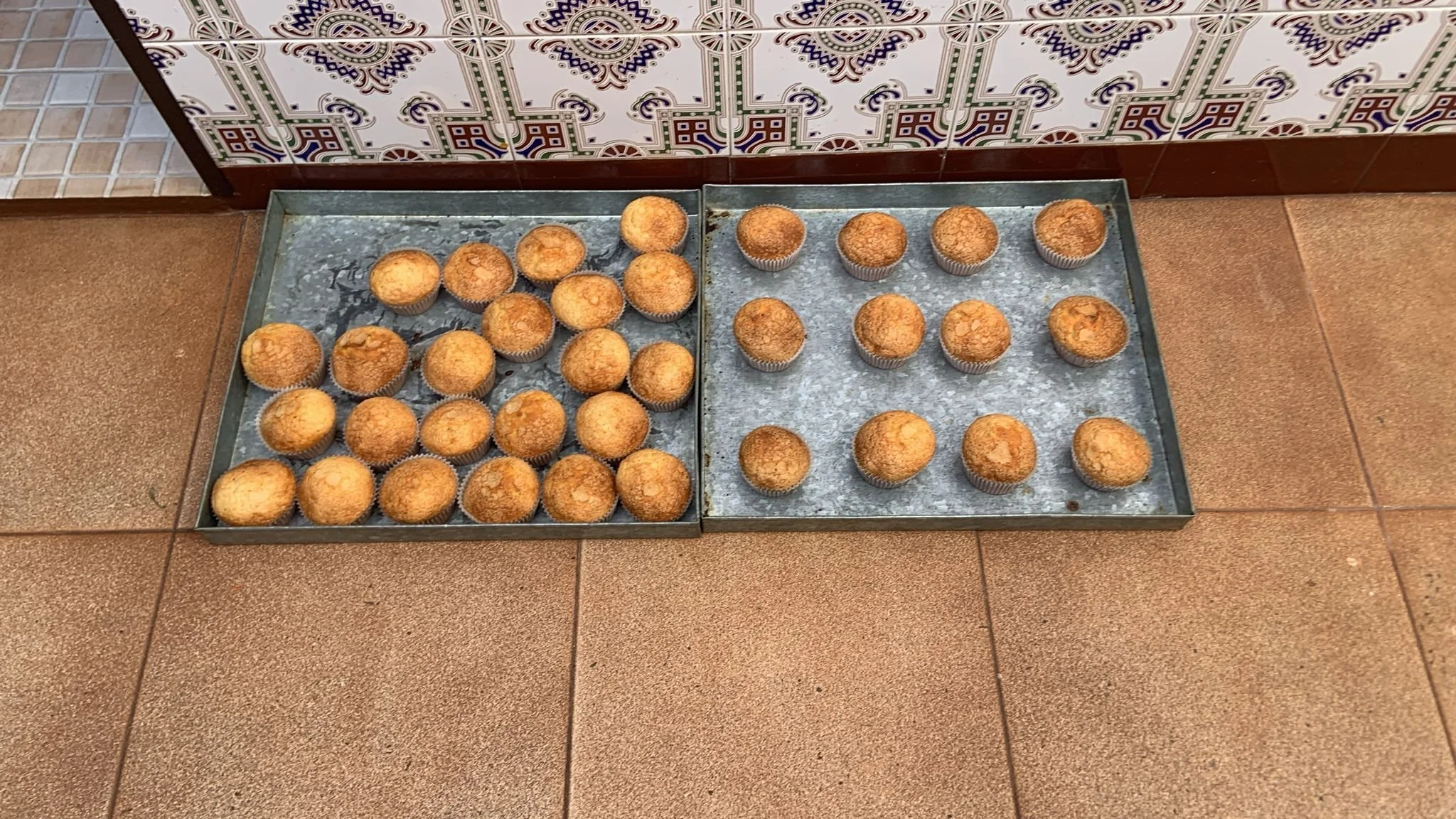
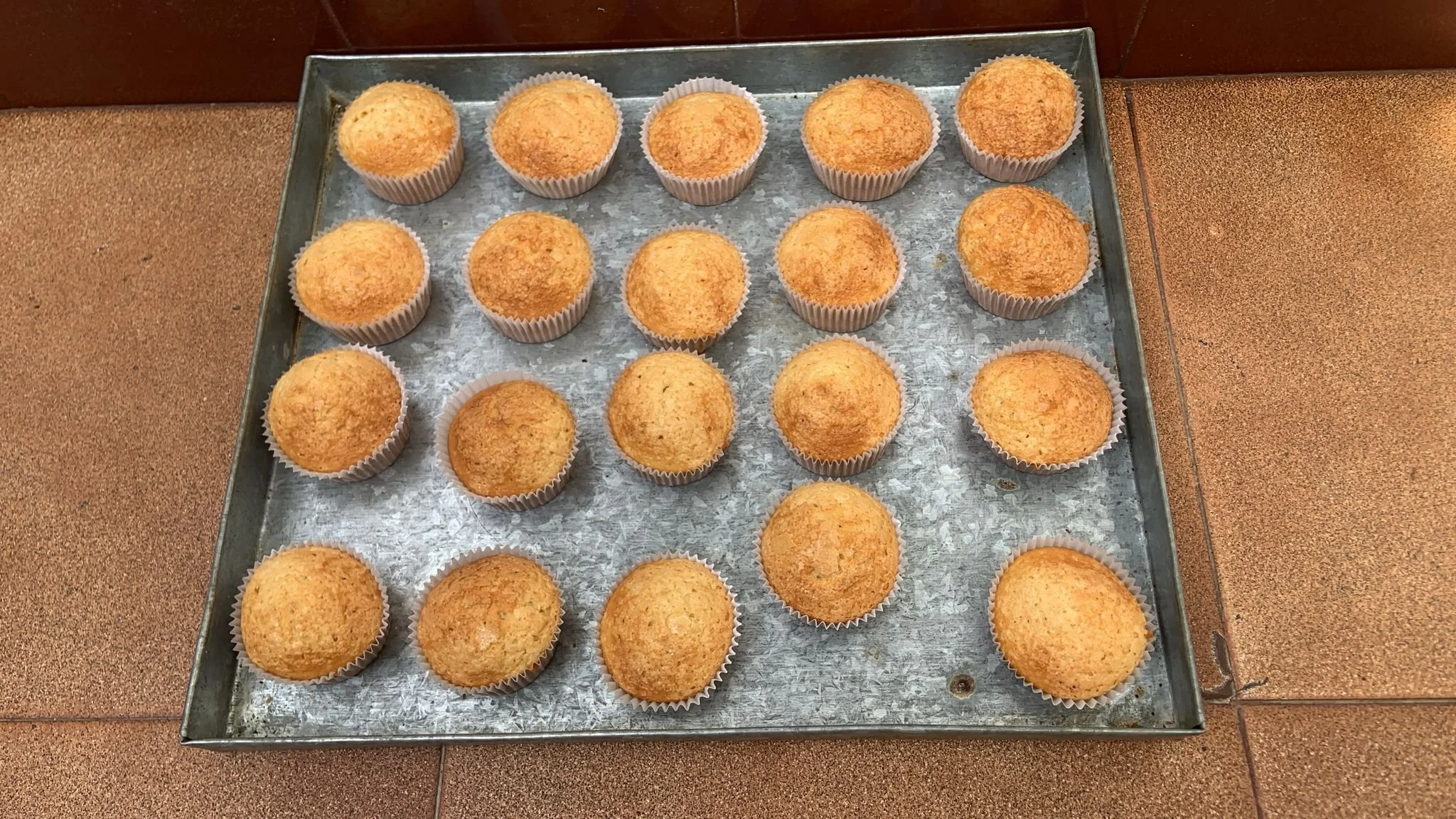
The ritual itself, if you ask me, always looked the same. María retreats to the back kitchen, the one far from the noise of the house, the one that not so long ago was a horse stable. There is no rush there. There never was. The coffee is not heated in the microwave because, according to her, it doesn't taste the same. She did it slowly, like everything else.
She takes her mug, the usual one. The chipped one. The one that matches nothing but fits perfectly in her hand. She sits in her chair, leaning slightly forward, like someone preparing to enjoy her own company without interruptions. As if the world, for a moment, had nothing to demand of her. And then comes the most important gesture: she takes the magdalena without rushing. She breaks it with her fingers.
“ If no one could see the life you choose, would you still choose it? ”
My grandmother understood something that we are beginning to forget: how to stay.
That is why this ritual always happens in solitude. Not because she doesn't have anyone, but because she doesn't need anyone. There is no conversation, no phone, no noise. During that time she doesn't have to be a mother, a friend, a grandmother, or anything to anyone. She just is. And it is enough. More than enough.
Today, that almost feels uncomfortable. We have learned to fill every space, to leave no gaps, to document everything. But there is something profoundly different about a moment that has no witnesses. Something more honest, cleaner.
I return, then, to the initial question, but now it carries more weight. If no one could see the life you choose, would you still choose it?
My grandmother didn't need an audience. She had enough with one. Herself.
And if there is anything better than her freshly baked magdalenas, with that smell of lemon I can't get out of my heart, it is what she taught me without saying a word:
“ true luxury is not found in the extraordinary, but in doing something simple with care; in choosing well even when no one is watching; in building a life that does not need to be observed to have meaning ”
Grandma, I can't wait to see you again from the kitchen window, at five. I love you.
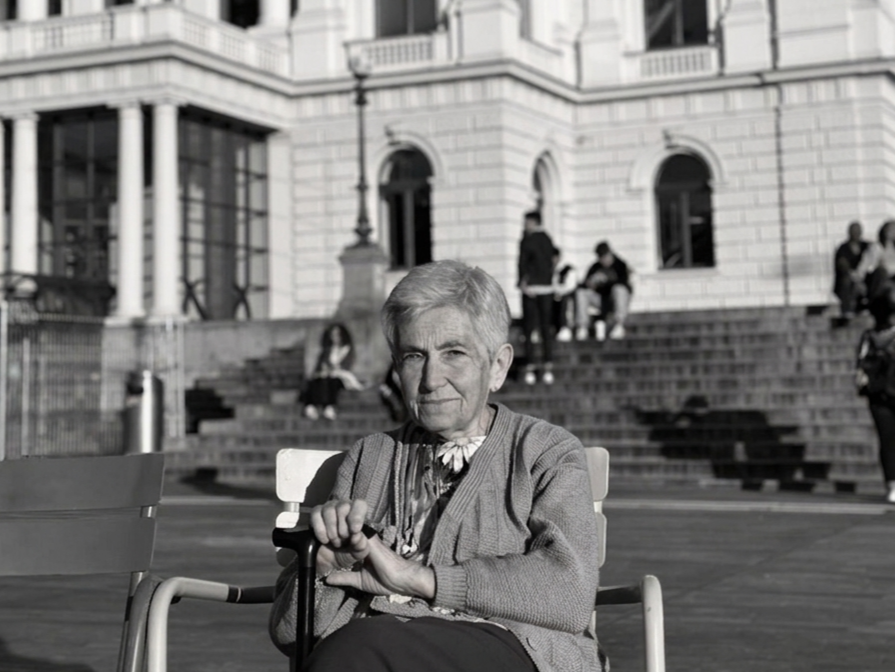
Abuela Mari in Zurich Opera
